Why floral foam is still everywhere and what is used instead
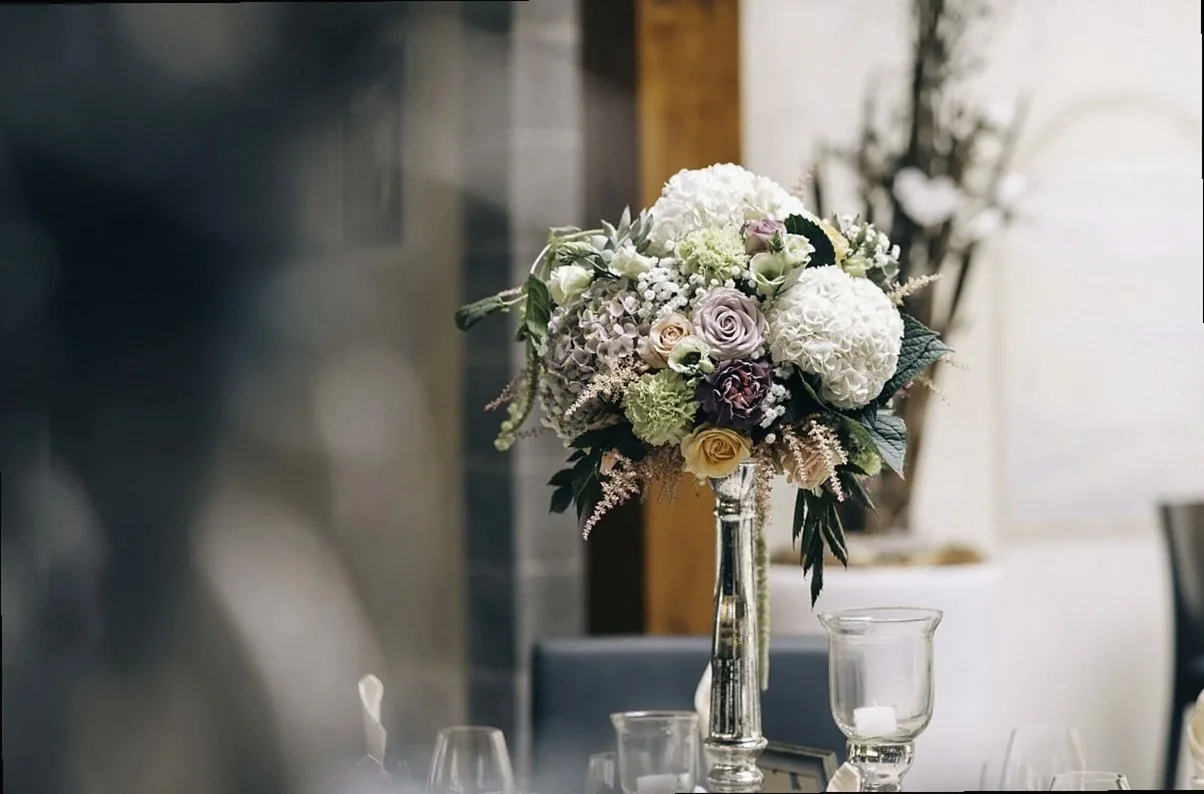
Walk into the back room of almost any commercial florist in the country on a Monday morning — the day after the weekend rush — and the floor will be scattered with crumbled green blocks. Floral foam, sold under brand names like Oasis and Smithers-Oasis, has been the structural backbone of arranged floristry since the 1950s, and despite nearly a decade of sustained criticism from environmental campaigners and progressive florists alike, it remains the default material for bridal work, sympathy tributes, and hotel lobby installations. The conversation around foam tends to get stuck in a binary: bad material versus virtuous alternatives. What that framing misses is the question of why it persists so stubbornly in professional settings where the people using it are often fully aware of its problems. The answer involves logistics, labour costs, client expectations, and the specific physics of keeping cut stems hydrated — and working through all of it honestly is more useful than another call to simply stop using it.